Understanding Concrete Piles: Essential Uses, Benefits, and Industry Solutions
February 26, 2026When planning deep foundation work, erosion control, or heavy structural support, one term that always comes up is concrete piles. These engineered foundation elements are vital in civil engineering, infrastructure projects, and even residential construction — and understanding their uses and advantages can influence project success and long-term stability.
In this guide, we’ll explain what concrete piles are, explore their common applications across industries, discuss key benefits, and highlight why choosing the right provider — especially one with advanced technology and trusted installation support — makes all the difference.
What Are Concrete Piles?
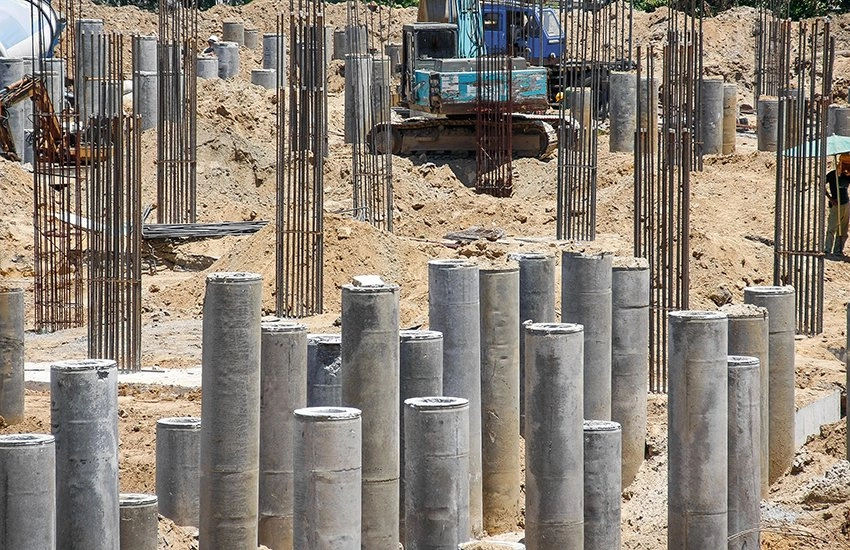
Concrete piles are long, cylindrical structural elements driven deep into the ground to support heavy loads or stabilize soil. They can be cast directly on site (cast-in-place) or manufactured off-site (precast), then installed using specialized pile driving equipment.
Unlike shallow foundations, which rely on surface soil strength, concrete piles transfer loads to deeper, more stable soil or bedrock layers.
There are several types of concrete piles, including:
Precast concrete piles — cast in a controlled factory environment for quality and consistency.
Cast-in-place concrete piles — formed and poured on the construction site within drilled holes.
Prestressed concrete piles — reinforced with tensioned steel strands for added strength.
All variations aim to achieve reliable load-bearing capacity, resist soil movement, and provide long-lasting performance under stress.
Common Applications for Concrete Piles
Concrete piles are used in many construction and engineering scenarios, particularly where foundation stability is essential:
1. Residential and Commercial Foundations
In areas with weak surface soils or high water tables, standard footings are insufficient. Concrete piles provide deep foundation support for:
Multi-story buildings
Apartment complexes
Office towers
Industrial facilities
By transferring structural loads to deeper soil strata, piles prevent settlement and ensure building integrity over decades.
2. Bridge and Highway Construction
Bridge abutments and highway overpasses require strong foundational support to withstand dynamic loads from traffic, wind, and seismic forces.
Piles driven deep into stable ground help:
Support bridge piers
Anchor elevated roadway structures
Maintain alignment under heavy loads
3. Coastal and Waterfront Structures
In coastal areas prone to erosion, tidal fluctuation, or soft soil, concrete piles serve as essential anchoring supports for:
Wharves and docks
Sea-defense walls
Boardwalks and piers
Because concrete resists water damage and can be reinforced for high compressive loads, piles are preferred for long-lasting shoreline construction.
4. Industrial and Heavy Load Platforms
Manufacturing facilities, storage yards, and heavy-equipment installations often require foundations that support:
Large machinery
Storage containers
Cranes and loading docks
Concrete piles distribute weight deep into the ground, reducing the risk of uneven settlement and structural stress.
5. Erosion Control and Environmental Projects
Concrete piles are also used beyond traditional foundations. They help:
Stabilize riverbanks
Support retaining walls
Secure embankments
By creating subsurface barriers and reinforcement, piles protect against soil displacement and long-term erosion.
Why Choose Precast Concrete Piles
Among the various forms of concrete piles, precast solutions offer several advantages:
Quality Control: Manufactured in controlled environments, precast piles ensure consistent strength and dimensions.
Faster Installation: With piles ready to drive upon delivery, installation time is reduced.
Environmental Efficiency: Factory production minimizes site disturbance and waste.
These benefits make precast concrete piles a preferred option for projects with tight schedules and demanding quality standards.
Key Benefits of Concrete Piles
Whether precast or cast-in-place, concrete piles deliver distinct advantages:
✔ Reliable Load Support
Piles evenly distribute structural weight into stable subsurface layers, preventing uneven settlement and future repair costs.
✔ Durability
Concrete resists weathering, moisture, and chemical degradation, making piles ideal for both inland and coastal projects.
✔ Versatility
Engineers can design piles for a wide range of soil conditions and load requirements, from light buildings to heavy industrial sites.
✔ Long-Term Stability
Once installed, well-engineered concrete piles provide decades of dependable performance.
Choosing the Right Partner for Concrete Pile Solutions
Selecting the right provider can dramatically improve project outcomes. A reputable company brings trusted engineering, high-quality materials, and expert installation support to the table.
When searching for a supplier of concrete piles in the UK or globally, it’s important to consider:
Experience in foundation engineering
Range of pile types offered (precast, prestressed, cast-in-place)
Technical support and design consultation
Installation equipment and expertise
A leading brand in this sector doesn’t just sell products — it delivers engineering assurance, regulatory compliance, and value-based performance for every project phase.
Final Thoughts
Concrete piles are indispensable in modern construction, offering foundational strength and resilience across residential, commercial, and civil engineering applications.
From stabilizing unstable soil to anchoring heavy structures, piles deliver measurable results that stand the test of time. For project owners, developers, and engineers, understanding the role of concrete piles — and choosing the right partner — is a strategic advantage that drives long-term structural success.
With the ongoing demand for durable, efficient foundation systems, concrete piles remain a cornerstone of contemporary construction and infrastructure development.